Why hire professional siding contractors?
Protecting Your Home with Expert Siding Solutions
Your home’s siding is its primary defense against the elements. It protects against rain, wind, snow, and sun, all while contributing significantly to your home’s curb appeal. When siding is damaged, it compromises this protection, potentially leading to costly structural issues. Understanding the importance of timely siding repair is crucial for maintaining the integrity and value of your home.
Recognizing the Need for Siding Repair
Identifying siding damage early can prevent minor issues from escalating into major problems. Here are some common signs that indicate your siding may need repair:
- Cracks and Holes: Visible cracks or holes in your siding are clear indicators of damage. These openings allow moisture to penetrate, leading to rot and potential structural damage.
- Warping or Buckling: Siding that is warped or buckling is often a sign of moisture accumulation behind the panels. This can result from poor installation or a compromised moisture barrier.
- Loose or Missing Panels: Loose or missing siding panels expose the underlying structure to the elements, making it vulnerable to water damage and pests.
- Fading or Discoloration: While some fading is normal over time, significant discoloration or fading can indicate that the siding is deteriorating and losing its protective properties.
- Increased Energy Bills: Damaged siding can compromise your home’s insulation, leading to increased energy bills as your heating and cooling systems work harder to maintain a comfortable temperature.
- Mold or Mildew Growth: The presence of mold or mildew on your siding can indicate moisture problems and potential rot beneath the surface.
The Importance of Prompt Siding Repair
Addressing siding issues promptly is essential for several reasons:
- Preventing Further Damage: Timely repairs prevent minor damage from escalating into more extensive and costly problems. Addressing cracks and holes quickly can prevent water damage and rot.
- Maintaining Structural Integrity: Siding protects the structural components of your home. Repairing damaged siding ensures that your home remains structurally sound and safe.
- Improving Energy Efficiency: Proper siding repair restores your home’s insulation, reducing energy consumption and lowering your utility bills.
- Enhancing Curb Appeal: Well-maintained siding enhances the appearance of your home, increasing its curb appeal and overall value.
- Protecting Against Pests: Damaged siding can provide entry points for pests, such as insects and rodents. Repairing siding eliminates these access points, protecting your home from infestation.
Types of Siding Repair
The type of siding repair needed depends on the material and the extent of the damage. Common types of siding repair include:
- Vinyl Siding Repair: Vinyl siding is durable but can crack or become damaged from impact. Repairs may involve replacing individual panels or sections of siding.
- Wood Siding Repair: Wood siding is susceptible to rot, insect damage, and weathering. Repairs may include replacing rotted boards, patching holes, and applying new paint or stain.
- Fiber Cement Siding Repair: Fiber cement siding is strong but can crack or chip. Repairs may involve patching small areas or replacing entire sections.
- Aluminum Siding Repair: Aluminum siding can dent or corrode over time. Repairs may include hammering out dents, replacing damaged panels, and applying a new coat of paint.
The Siding Repair Process
A typical siding repair process involves the following steps:
- Inspection: A thorough inspection of your siding to identify all areas of damage.
- Assessment: An assessment of the extent of the damage and the best course of action for repair.
- Preparation: Preparing the area by removing any loose or damaged siding and cleaning the underlying surface.
- Repair or Replacement: Repairing or replacing damaged siding panels with new materials that match the existing siding.
- Finishing: Applying a sealant, paint, or stain to protect the repaired area and blend it seamlessly with the rest of the siding.
Choosing the Right Professional for Siding Repair
Selecting a qualified professional for siding repair is crucial to ensure the job is done correctly and efficiently. Here are some factors to consider when choosing a contractor:
- Experience and Expertise: Look for a contractor with extensive experience in siding repair and a thorough understanding of different siding materials and repair techniques.
- Licensing and Insurance: Ensure that the contractor is properly licensed and insured to protect you from liability in case of accidents or damage.
- Reputation and References: Check online reviews and ask for references from previous clients to gauge the contractor’s reputation and quality of work.
- Detailed Estimates: Obtain detailed estimates from multiple contractors, outlining the scope of work, materials, and costs involved.
- Warranty: Choose a contractor who offers a warranty on their workmanship and materials.
Investing in professional siding repair is a proactive step towards protecting your home from the elements, maintaining its structural integrity, and enhancing its overall value. Addressing siding issues promptly and choosing the right contractor can save you time, money, and stress in the long run.
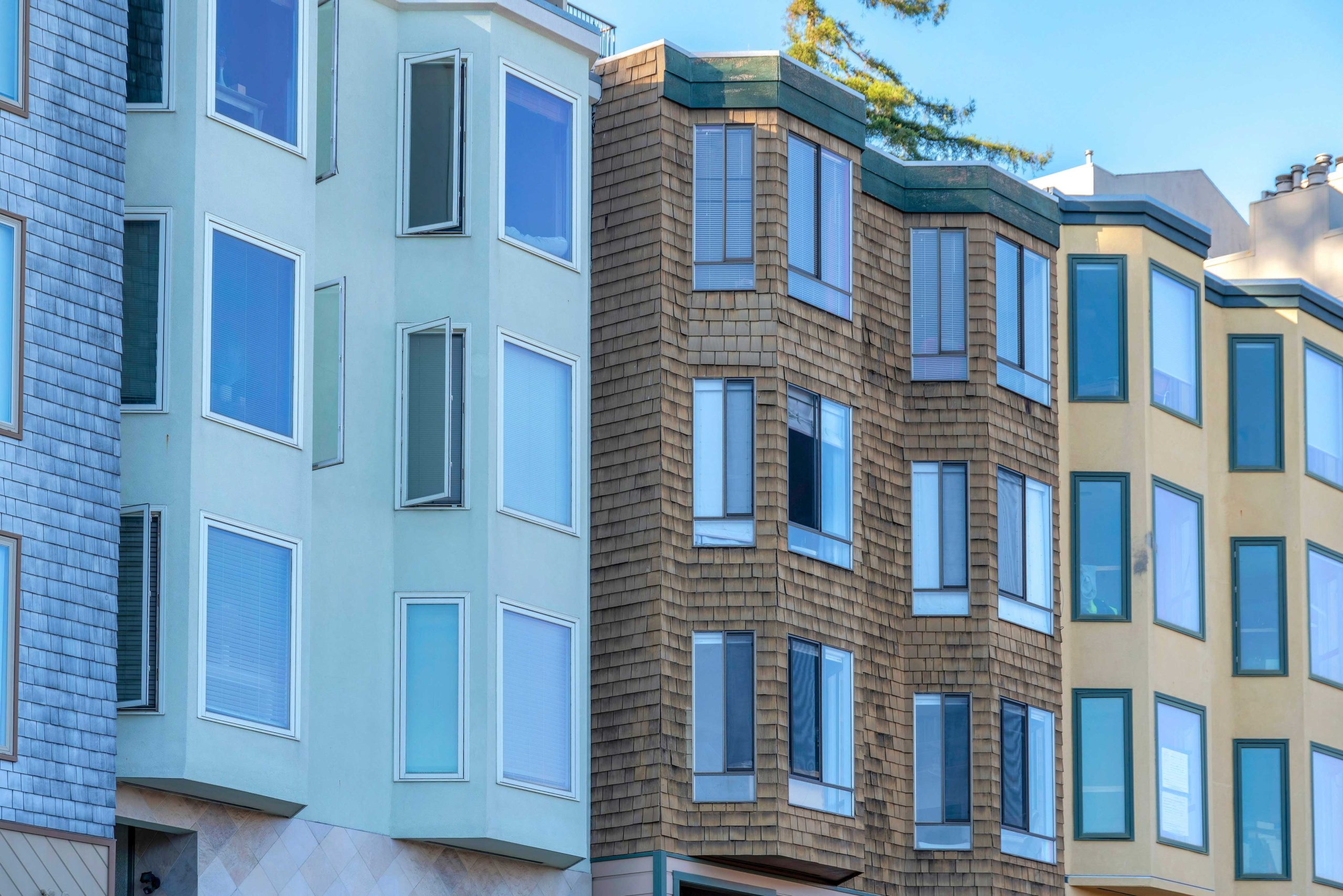
Get estimates from local siding installation pros today
Enhance Your Home with Durable and Beautiful Residential Siding
Your home’s siding is more than just an aesthetic feature; it’s a crucial layer of protection against the elements. High-quality residential siding safeguards your property from rain, wind, snow, and sun, preventing costly damage and maintaining a comfortable interior. Choosing the right siding can significantly enhance your home’s curb appeal, increase its value, and reduce long-term maintenance expenses. This guide explores the various types of residential siding available, helping you make an informed decision for your home improvement project.
Understanding the Importance of Quality Siding
Investing in quality residential siding offers numerous benefits:
- Protection from the Elements: Siding acts as a barrier against moisture, preventing water damage, mold growth, and structural issues.
- Enhanced Curb Appeal: New siding can transform the look of your home, making it more attractive and increasing its market value.
- Energy Efficiency: Insulated siding options can improve your home’s energy efficiency, reducing heating and cooling costs.
- Low Maintenance: Many modern siding materials are designed for minimal upkeep, saving you time and money on repairs and painting.
Exploring Different Types of Residential Siding
The market offers a wide variety of residential siding materials, each with its own unique characteristics, advantages, and disadvantages. Here’s an overview of some popular options:
Vinyl Siding
Vinyl siding is one of the most popular choices for homeowners due to its affordability, durability, and ease of maintenance. It comes in a variety of colors and styles, offering versatility to match any architectural design.
- Pros: Cost-effective, low maintenance, resistant to rot and insects, available in various colors and styles.
- Cons: Can be susceptible to fading over time, may crack in extreme cold, not as durable as some other options.
Wood Siding
Wood siding provides a classic, natural look that many homeowners appreciate. It can be painted or stained to achieve a variety of finishes.
- Pros: Beautiful, natural appearance, can be painted or stained, adds character to your home.
- Cons: Requires regular maintenance (painting or staining), susceptible to rot and insects, more expensive than vinyl.
Fiber Cement Siding
Fiber cement siding is a durable and versatile option made from cement, sand, and cellulose fibers. It offers the look of wood without the maintenance requirements.
- Pros: Durable, fire-resistant, resistant to rot and insects, can be painted to match any color scheme.
- Cons: More expensive than vinyl, requires professional installation, can be heavy and difficult to work with.
Metal Siding
Metal siding, such as aluminum or steel, is a durable and low-maintenance option that is resistant to fire, insects, and rot.
- Pros: Durable, fire-resistant, low maintenance, resistant to insects and rot, recyclable.
- Cons: Can be dented, may fade over time, limited color options compared to other materials.
Factors to Consider When Choosing Residential Siding
Selecting the right residential siding for your home involves considering several factors:
- Budget: Determine how much you’re willing to spend on materials and installation. Vinyl siding is generally the most affordable option, while wood and fiber cement tend to be more expensive.
- Climate: Consider the climate in your area. If you live in an area with extreme weather conditions, choose a durable siding material that can withstand the elements.
- Aesthetics: Choose a siding style and color that complements your home’s architecture and personal preferences.
- Maintenance: Consider how much time and effort you’re willing to invest in maintaining your siding. Vinyl and metal siding are low-maintenance options, while wood siding requires regular painting or staining.
- Installation: Some siding materials are easier to install than others. If you’re planning to DIY, choose a material that is relatively easy to work with. Otherwise, hire a professional installer.
Professional Installation vs. DIY
While some homeowners may be tempted to install their own siding, professional installation is generally recommended. Experienced installers have the knowledge and tools to ensure that the siding is properly installed, preventing issues such as water damage and air leaks. Professional installation also typically comes with a warranty, providing peace of mind.
However, if you have experience with home improvement projects and are comfortable working with tools, you may be able to install vinyl siding yourself. Be sure to follow the manufacturer’s instructions carefully and take all necessary safety precautions.
Maintaining Your Residential Siding
Proper maintenance can extend the lifespan of your residential siding and keep it looking its best. Here are some tips for maintaining different types of siding:
- Vinyl Siding: Wash with soap and water annually to remove dirt and mildew.
- Wood Siding: Inspect regularly for signs of rot or insect damage. Repaint or restain as needed.
- Fiber Cement Siding: Wash with soap and water annually. Touch up any chips or cracks with paint.
- Metal Siding: Wash with soap and water annually. Inspect for dents and scratches, and repair as needed.
Conclusion
Choosing the right residential siding is a significant investment that can enhance your home’s beauty, protection, and value. By considering the various types of siding available, as well as your budget, climate, and aesthetic preferences, you can make an informed decision that will benefit your home for years to come. Whether you opt for the affordability and low maintenance of vinyl, the natural beauty of wood, the durability of fiber cement, or the resilience of metal, proper installation and maintenance are key to maximizing the lifespan and performance of your residential siding.